Rishan
Patel.
I run Synaptive, where we build EEG hardware that works through every hair type. Before that, and alongside it, a PhD in brain–computer interfaces at UCL.
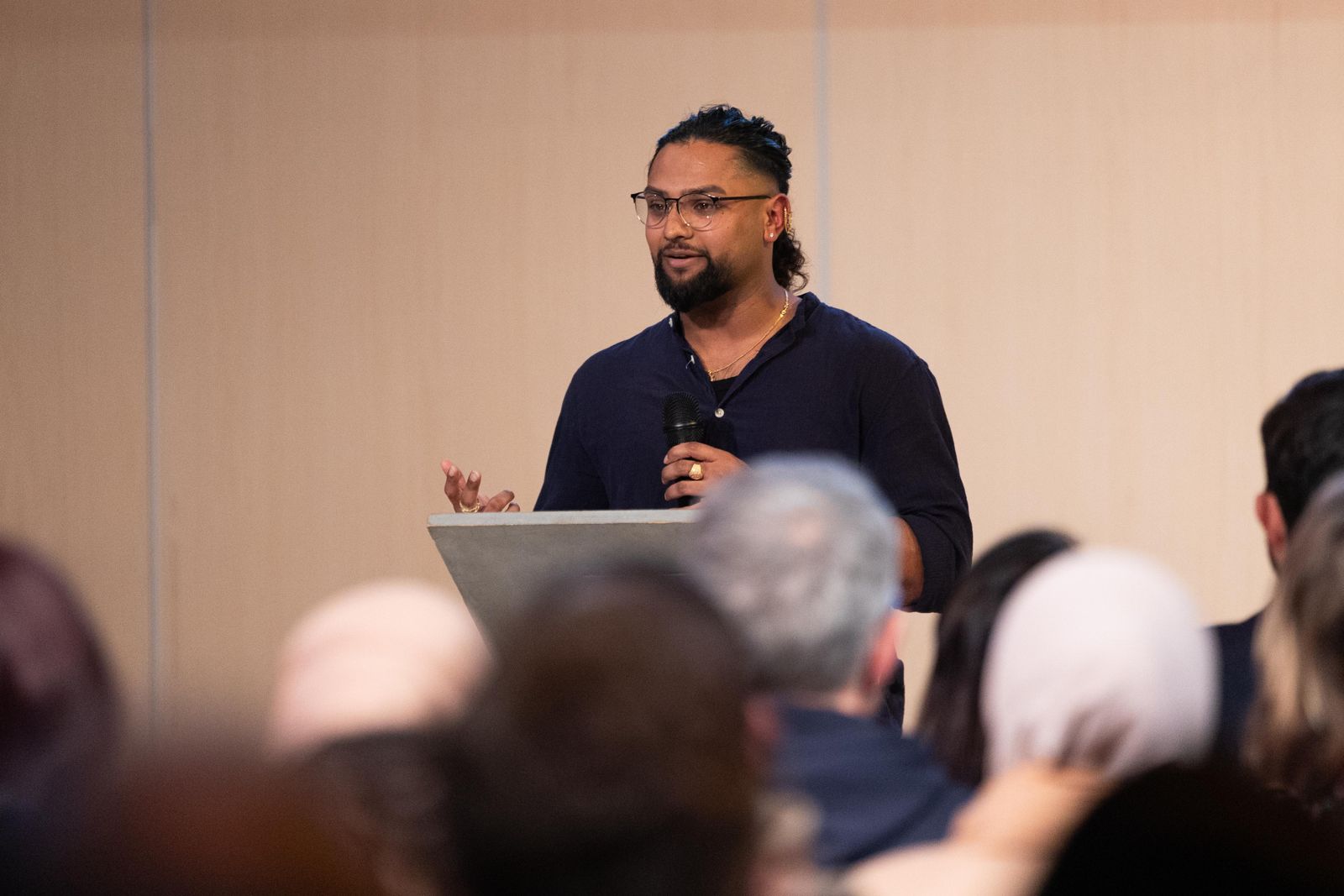
A 100-year problem.
We solved it in two.
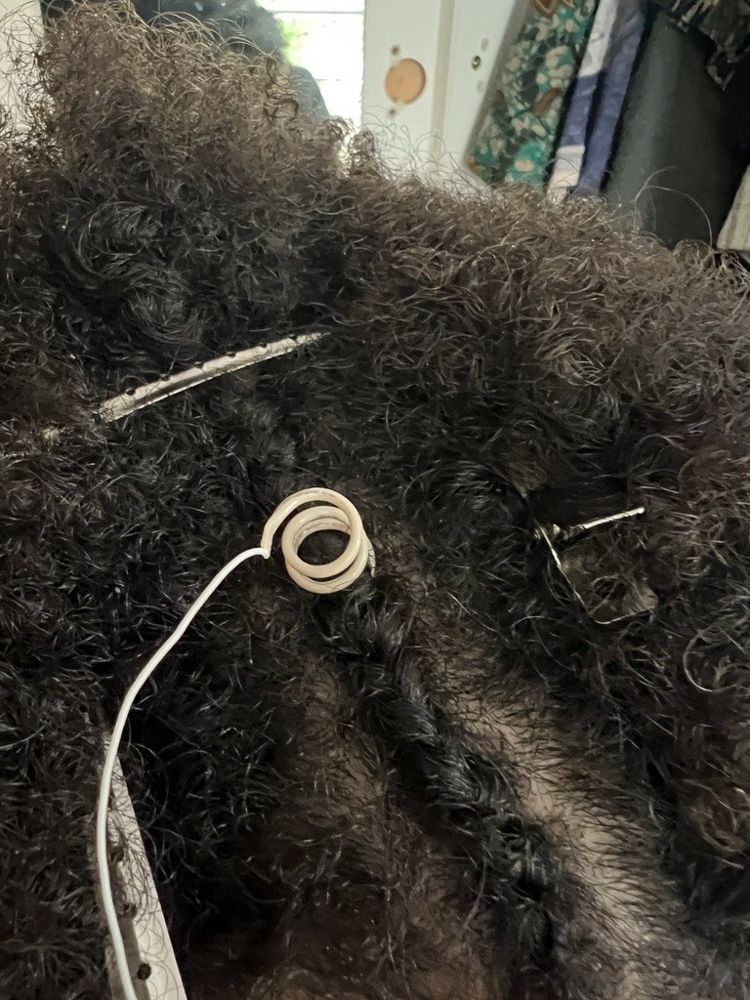
EEG electrodes work much as they did in the 1920s. They still struggle to reach the scalp through thick, curly or afro-textured hair, so people get turned away from clinics and quietly left out of research.
In one review, five of eighty-one EEG papers included any Black participants. I kept seeing it happen in my own experiments, and so did my co-founders, Peter Bryan and Merlin Angel Kelly.
Synaptive is the ethical healthcare company we started to fix it. Our first product, Syn-R1, is a passive, drop-in electrode that reaches the scalp first time, on every head. If that's why you're on this page, I'd like to hear from you.
- Syn-R1, a passive EEG electrode
- Patent pending, GB 2615593.7
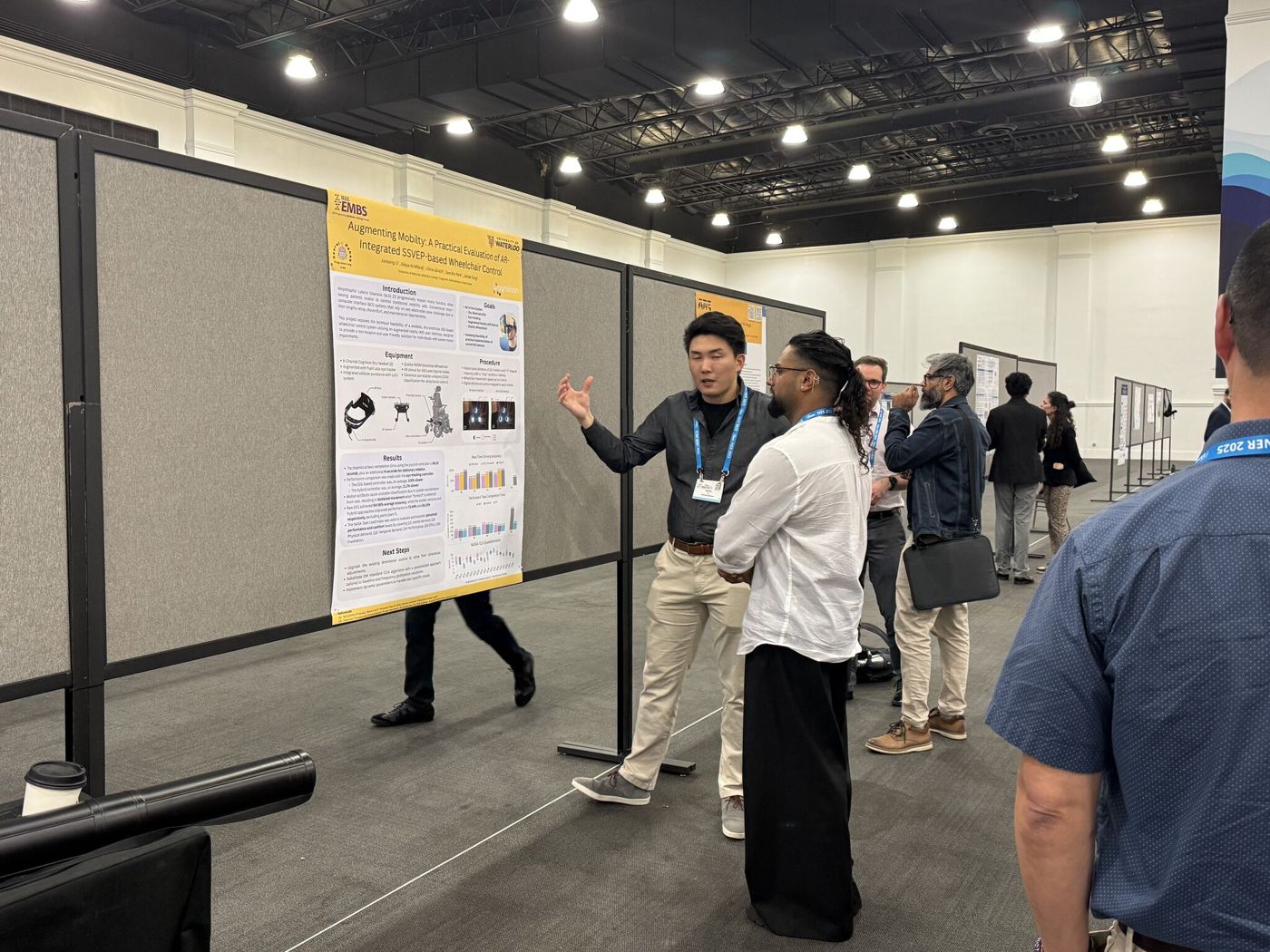
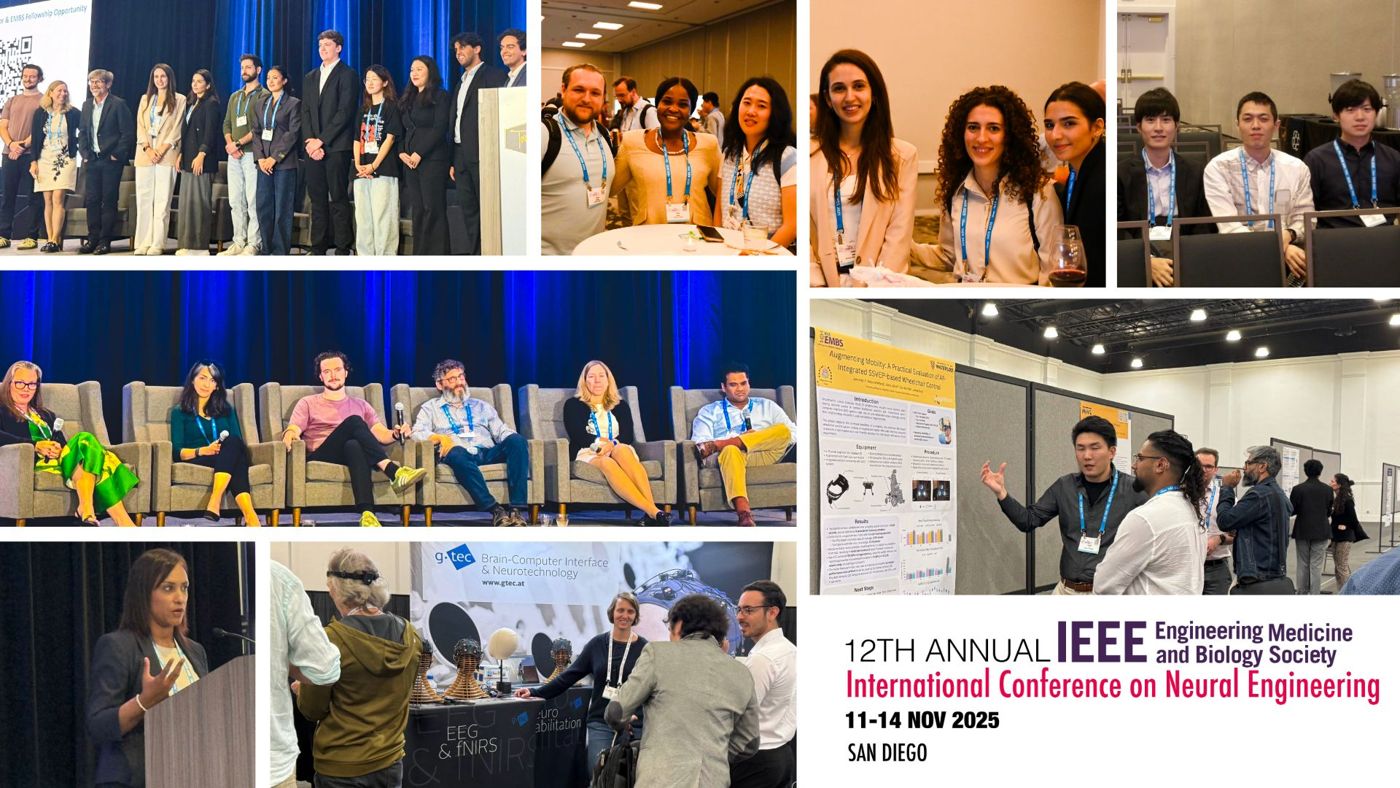
- Paper accepted at the Graz BCI Conference
- UCL Hatchery Social Impact Startup of the Year 2026


Research is only useful
if it leaves the lab.
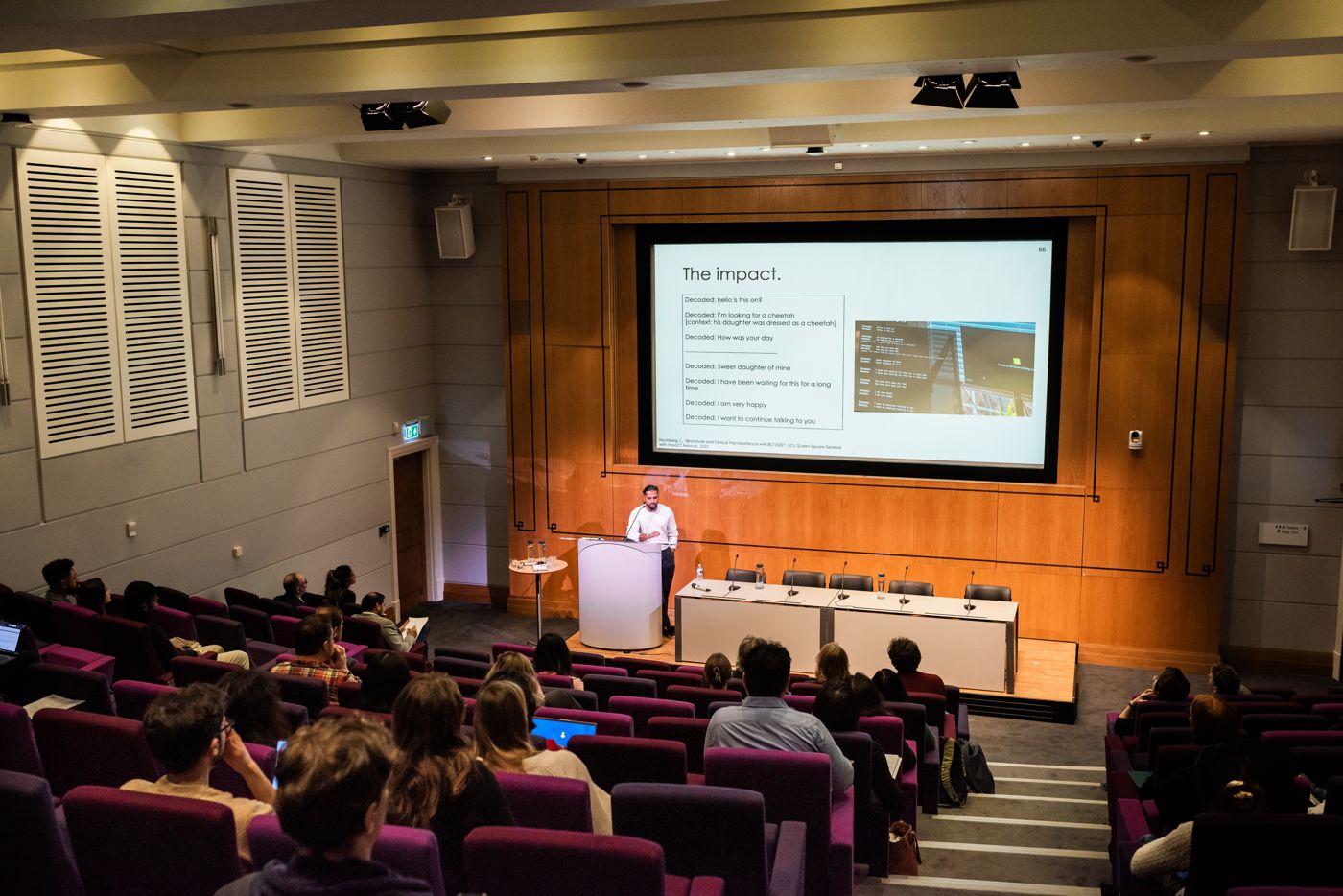
I did my PhD in UCL's Bioelectronics Group, building non-invasive BCIs that read motor intent in people with ALS.
Most of that work was about one stubborn problem: EEG signals drift from one day to the next, so a system that works on Monday falls over by Friday. I used graph neural networks and adaptive models to make BCIs that keep up with the person using them.
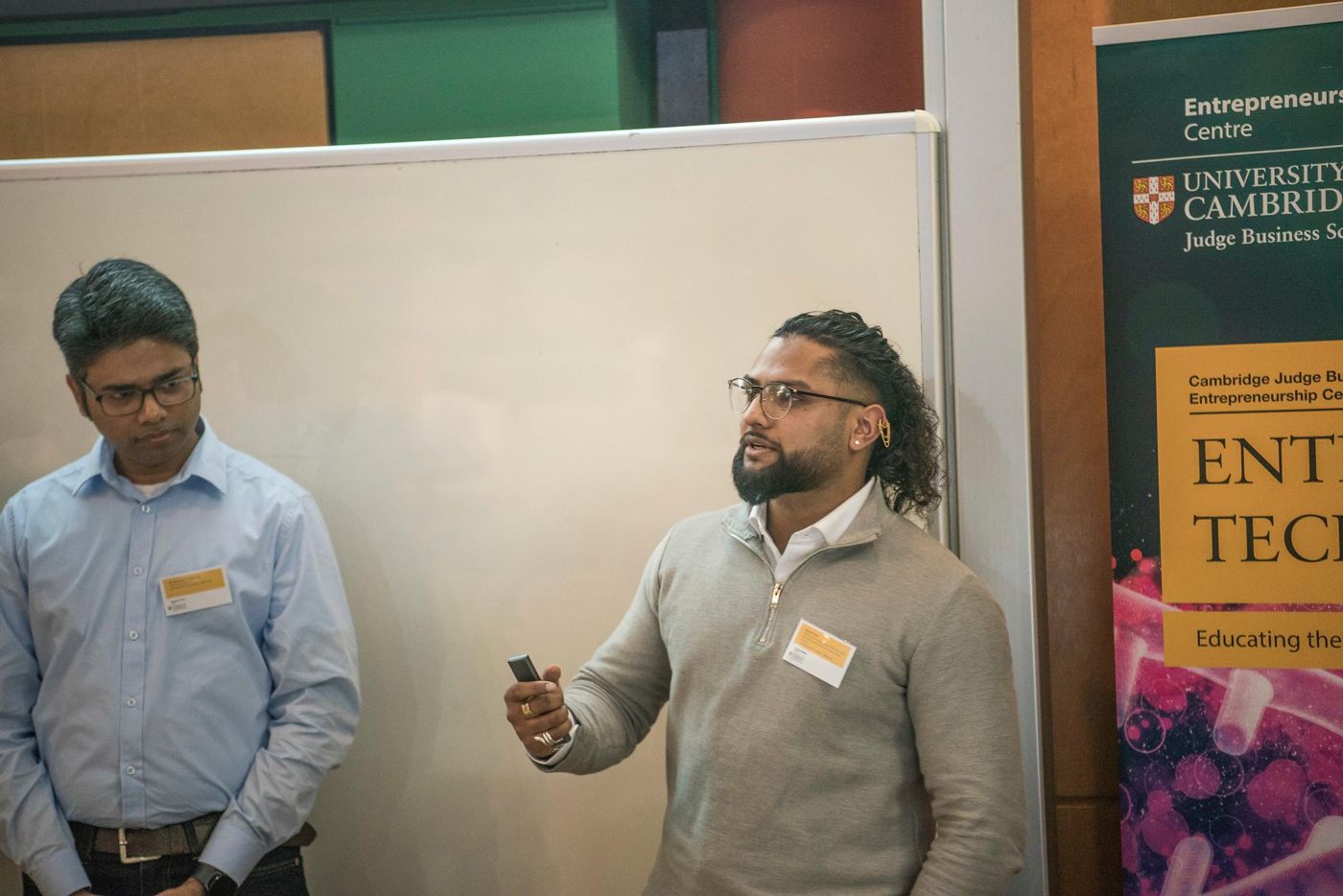
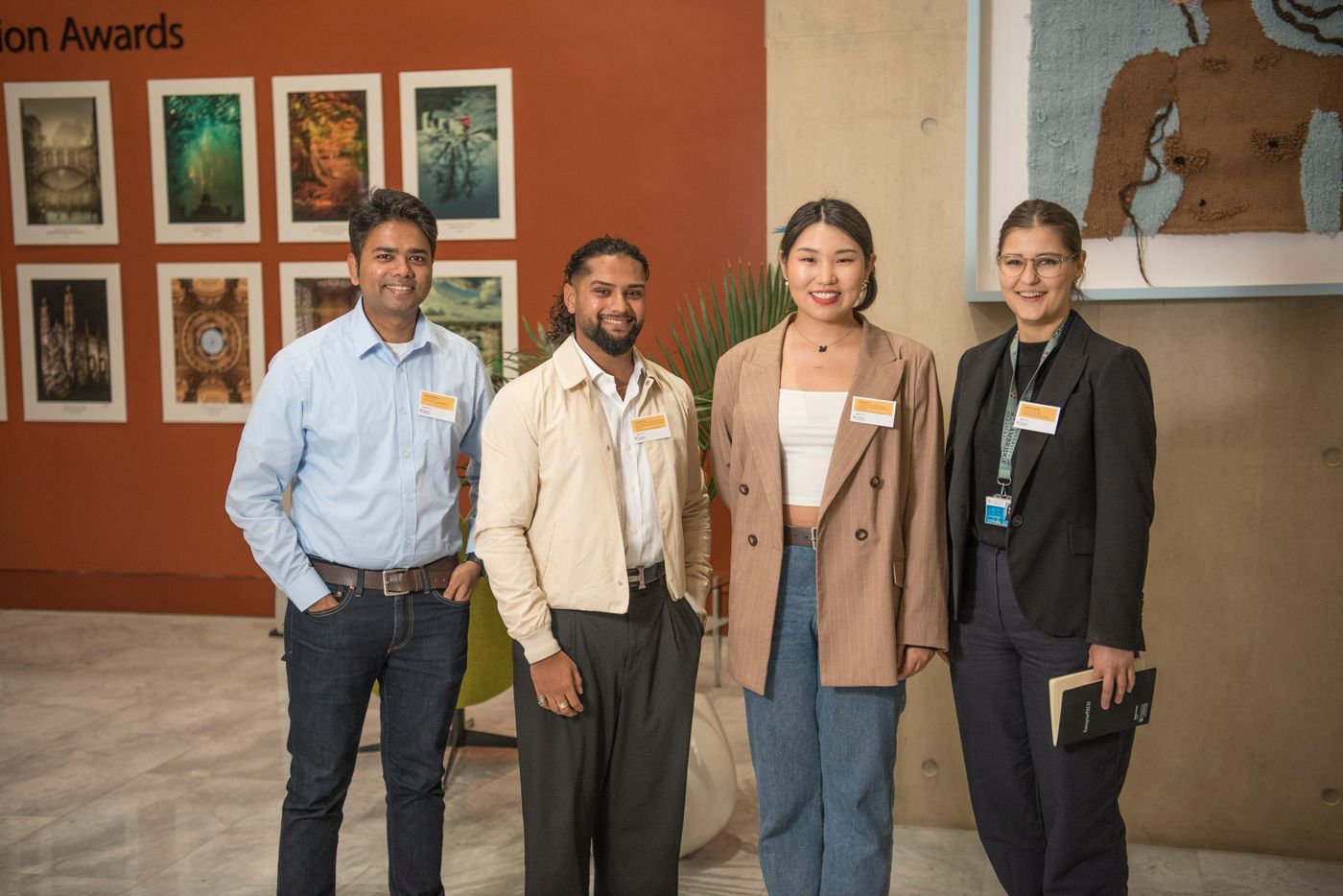
It was good science, and a lot of it stayed in papers. So I spent the next few years learning how research turns into something people can buy and use: Cambridge EnterpriseTECH, Neuroworks' What If, iCURe Engage, a Bio-Spark fellowship, and a year as an Impact Fellow at UCL's Institute of Healthcare Engineering. Synaptive came out of that.
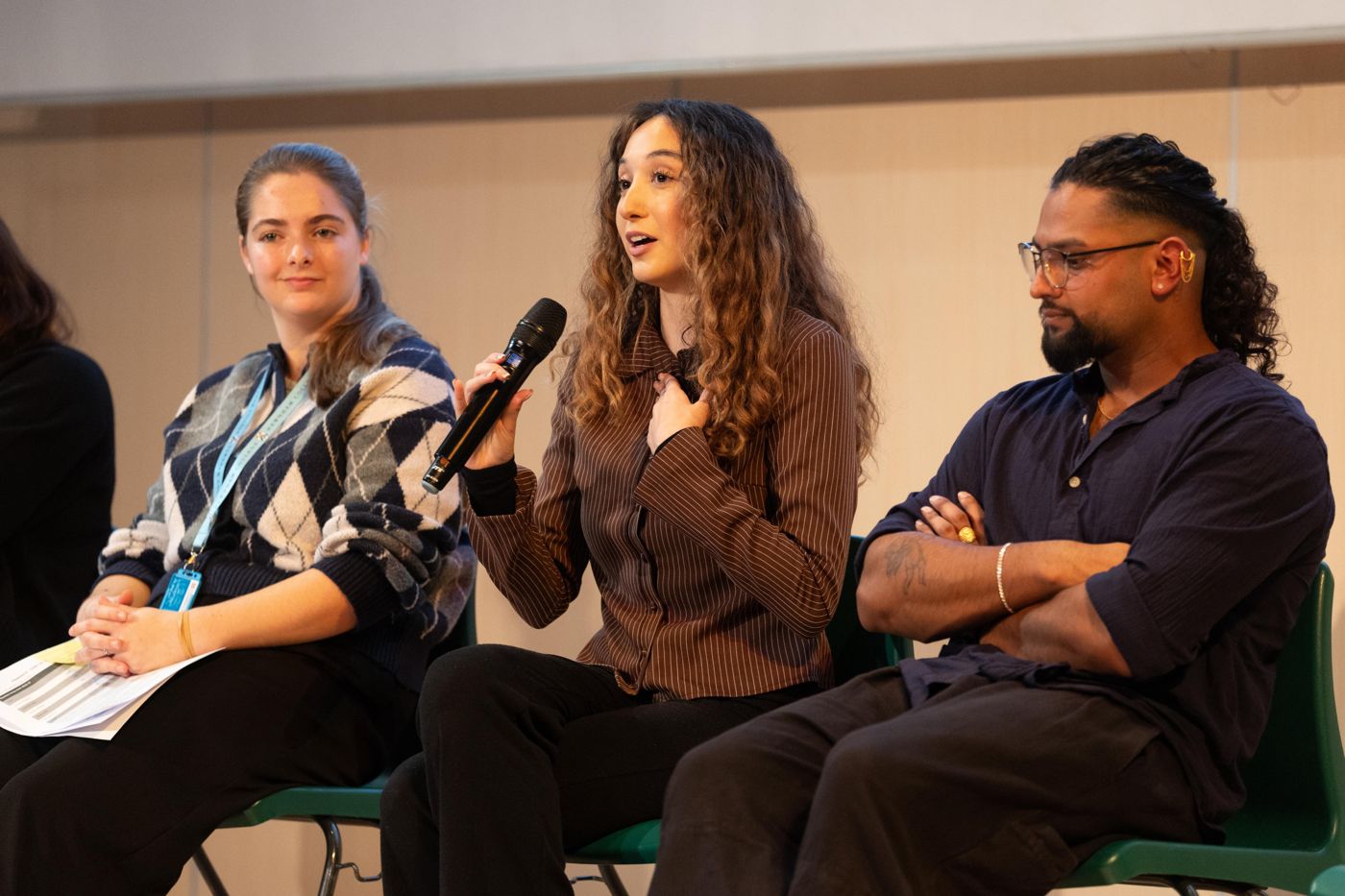
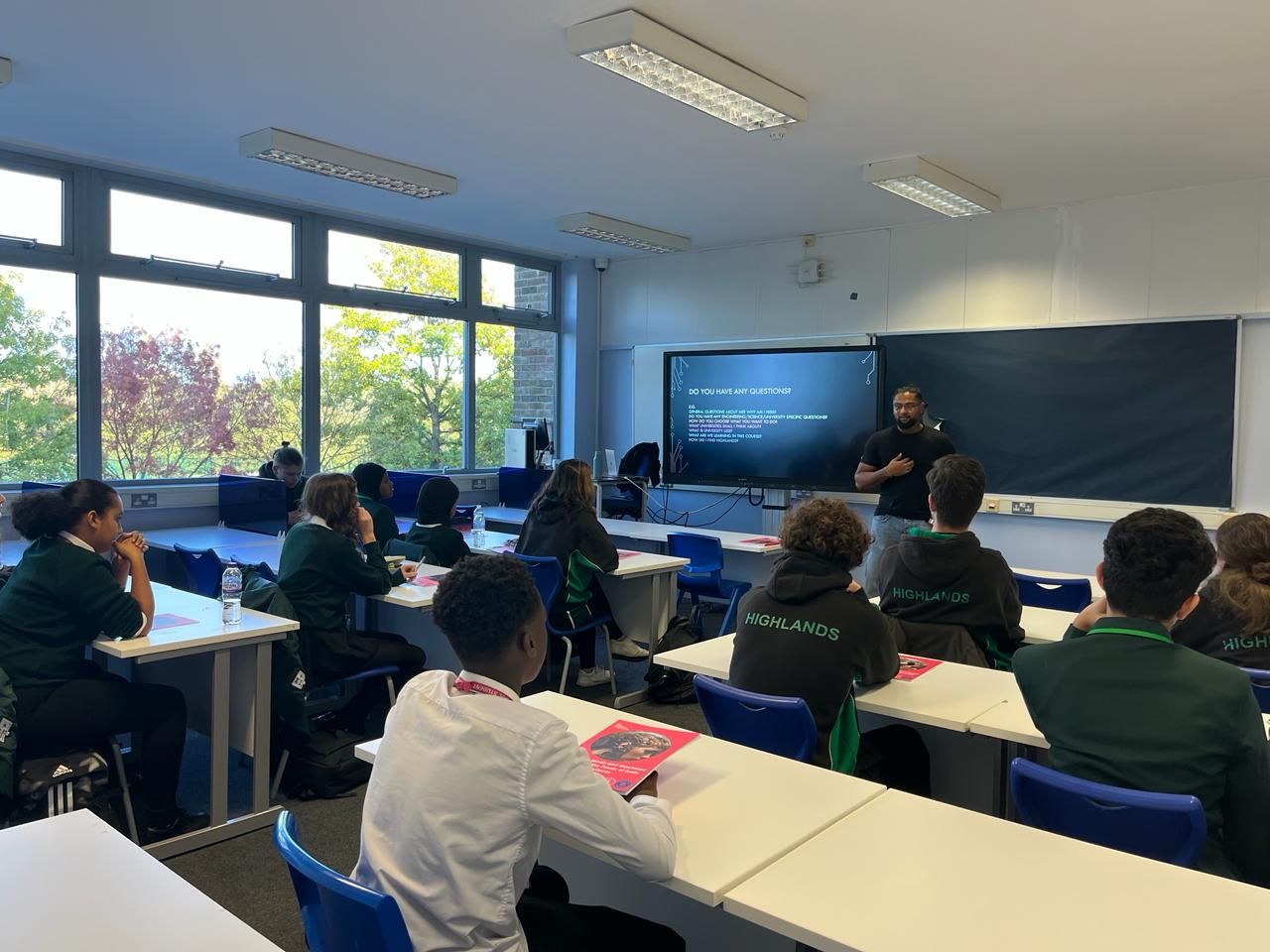
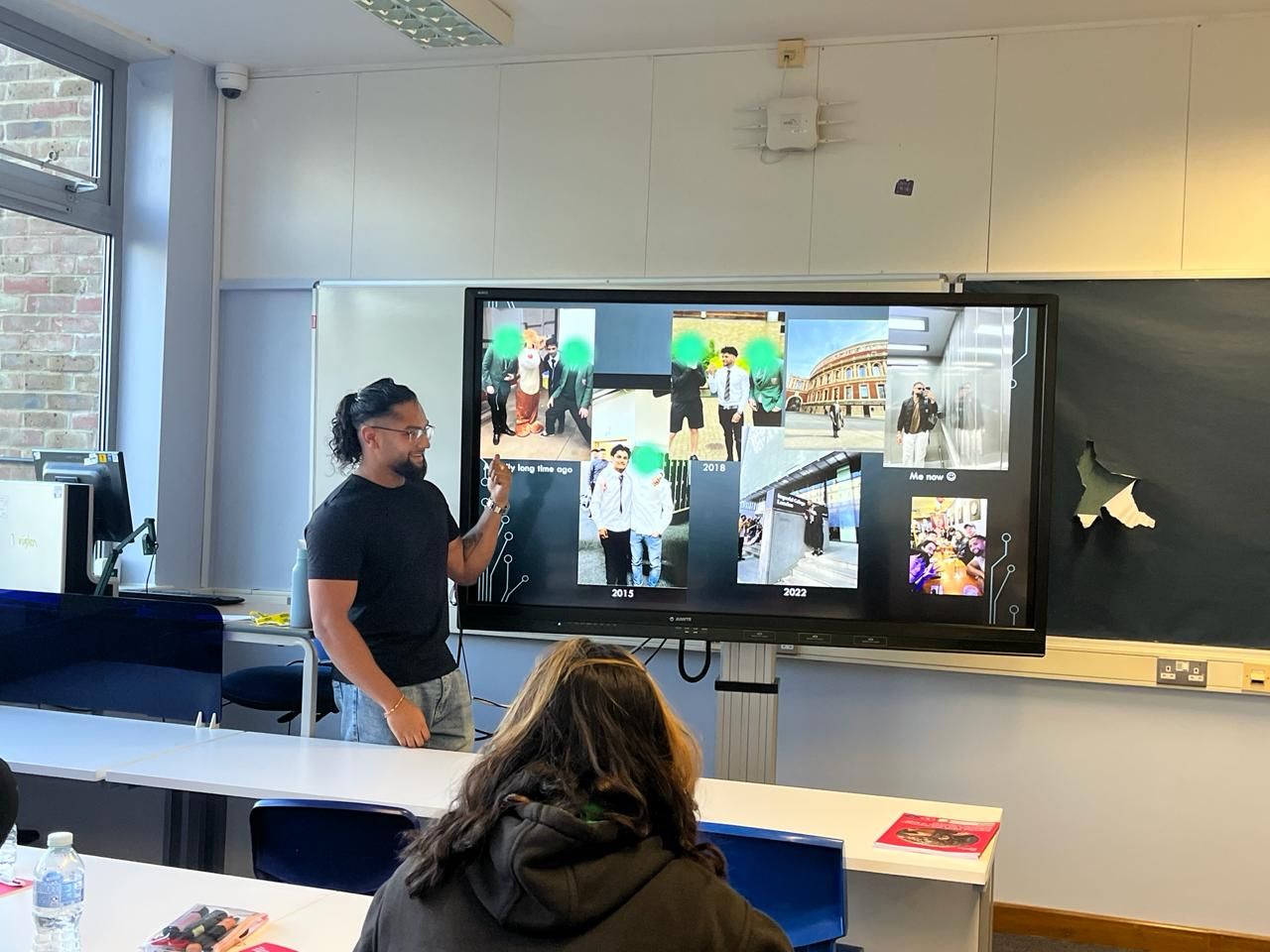
I also co-founded the UK BCI Consortium, sit on the BCI Society's student and postdoc committee, and teach school students through the Brilliant Club and STEM Learning.
Tools I use most: PyTorch, PyTorch Geometric, TensorFlow, MNE, EEGLAB, pylsl, Python and MATLAB.
What I've been doing
-
Founder & CEO
Building Syn-R1, EEG hardware that works through every hair type, with Peter Bryan (CTO) and Merlin Angel Kelly (CSO).
-
Bio-Spark Company Seeding Fellow
University of CambridgeFellowship backing researchers who are turning their work into companies.
-
UCL Small Grant, project host
University College London£1,500 to test which level of brain analysis (sensor, template-MRI source or MRI source) suits in-home monitoring of network changes.
-
Founding member
UK BCI ConsortiumA national network of doctoral and early-career BCI researchers, started between UCL and Essex. Events, lab visits, shared resources. UCL announcement · LinkedIn
-
Student & Postdoc Committee
BCI SocietyRepresenting early-career researchers in the global BCI community.
-
Impact Fellow
UCL Institute of Healthcare EngineeringTraining in co-production, policy, media and science communication, ending with running an impact event. Meet the fellows
-
What If Programme
Cambridge NeuroworksTesting neurotech ideas against experts and the market before building anything.
-
iCURe Engage
Innovate UKCustomer discovery and business validation for research-led innovations.
-
EnterpriseTECH
Cambridge Judge Business SchoolCommercialisation programme; wrote a feasibility report for an early-stage startup.
-
Summer intern
PA Consulting, Global Innovation & Technology CentreTen weeks building a VR-controlled bomb disposal robot.
-
PhD, Electronic & Electrical Engineering
University College LondonUCL Bioelectronics Group and Aspire CREATE. Non-invasive BCIs for motor intent in ALS, and fixing EEG non-stationarity. Supervised several undergraduate and Master's projects.
-
MSc, Biomedical Engineering
Imperial College London
-
Scholars Club tutor
The Brilliant Club · Highlands SchoolDesigned and taught a university-level module, based on current research, for KS4 students.
-
Ambassador & project host
STEM Learning UKHosting Nuffield Research Placement students in a university lab.
-
Turing Summer Experience · Bridging the Future
Alan Turing Institute · UCL-led charitySessions on natural language processing, BCIs, and how AI helps biomedical engineers.
-
Young Professional Ambassador
IETHosting and judging events like PresentIn10. IET Prize, 2021.
Out and about
Publications
-
Loading from ORCID
Investors, clinicians, researchers, or just curious. Say hello.
uceerjp@ucl.ac.uk